Colorectal Cancer Mutation Panel Kit

Colorectal Cancer Mutation Panel Kit

Colorectal Cancer Mutation Panel Kit

(For Detection of KRAS, NRAS & BRAF Mutations)

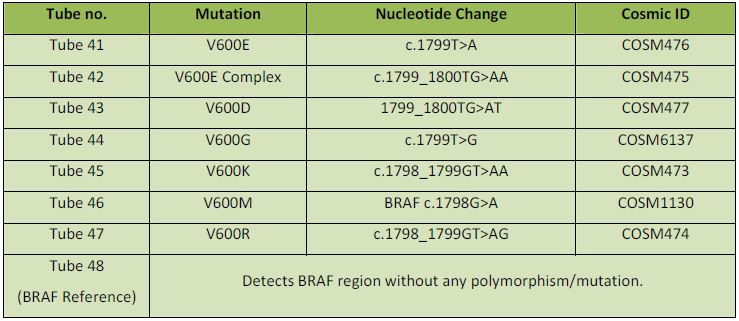
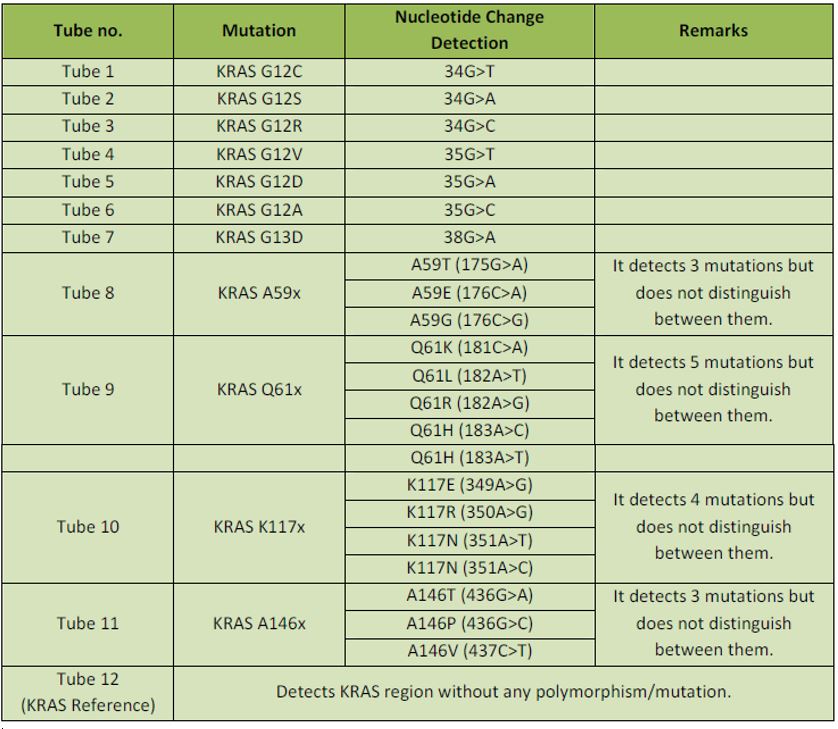
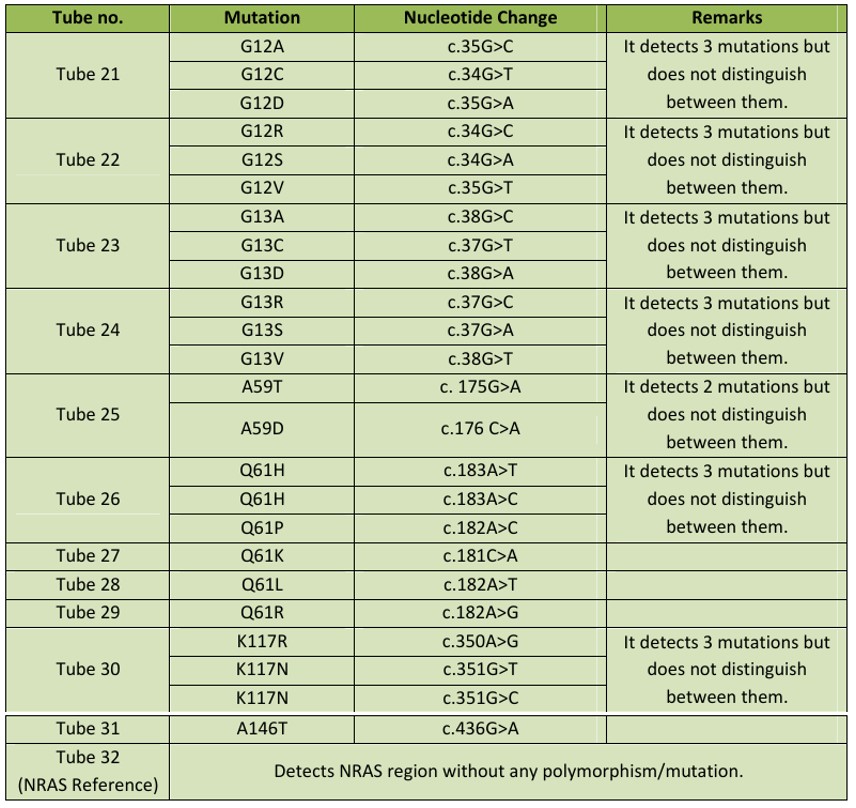
The TRUPCR® Colorectal Cancer Mutation Panel Kit is an in vitro diagnostic test intended for the qualitative detection of KRAS, NRAS & BRAF somatic mutations in genomic DNA extracted from fresh, frozen or formalin fixed paraffin-embedded (FFPE) tissue using Real-time PCR.

Key Features:

  • Quantitative detection of Major BCR-ABL1 (b2a2/b3a2) fusion transcripts
  • Specifically designed for patients with EAC primer site deletions
  • Two-step RT-qPCR workflow for high sensitivity and reproducibility
  • Includes ABL1 endogenous control for RNA quality assessment and normalization
  • Plasmid-based calibrated standards for precise quantification
  • High analytical sensitivity with LoD of 10 copies/reaction
  • Excellent linearity across a wide dynamic range
  • High precision with low intra- and inter-assay variability
  • RUO(Research Use Only)

Detectable Mutations

Colorectal Cancer Mutation Panel Kit

Colorectal cancer (CRC) is one of the leading causes of mortality and morbidity in the world. With approximately 1,849,518 new cases estimated and 880,792 deaths per year, it also represents the third most common cancer worldwide and the second cause of cancer-related mortality, after lung cancer. Colon cancer is a type of cancer that begins in the large intestine (colon). The colon is the final part of the digestive tract. Colon cancer typically affects older adults, though it can happen at any age. It usually begins as small, noncancerous (benign) clumps of cells called polyps that form on the inside of the colon. Over time some of these polyps can become colon cancers. If cancer forms in a polyp, it can grow into the wall of the colon or rectum over time. The wall of the colon and rectum is made up of many layers. Colorectal cancer starts in the innermost layer (the mucosa) and can grow outward through some or all of the other layers. When cancer cells are in the wall, they can then grow into blood vessels or lymph vessels (tiny channels that carry away waste and fluid). From there, they can travel to nearby lymph nodes or to distant parts of the body.